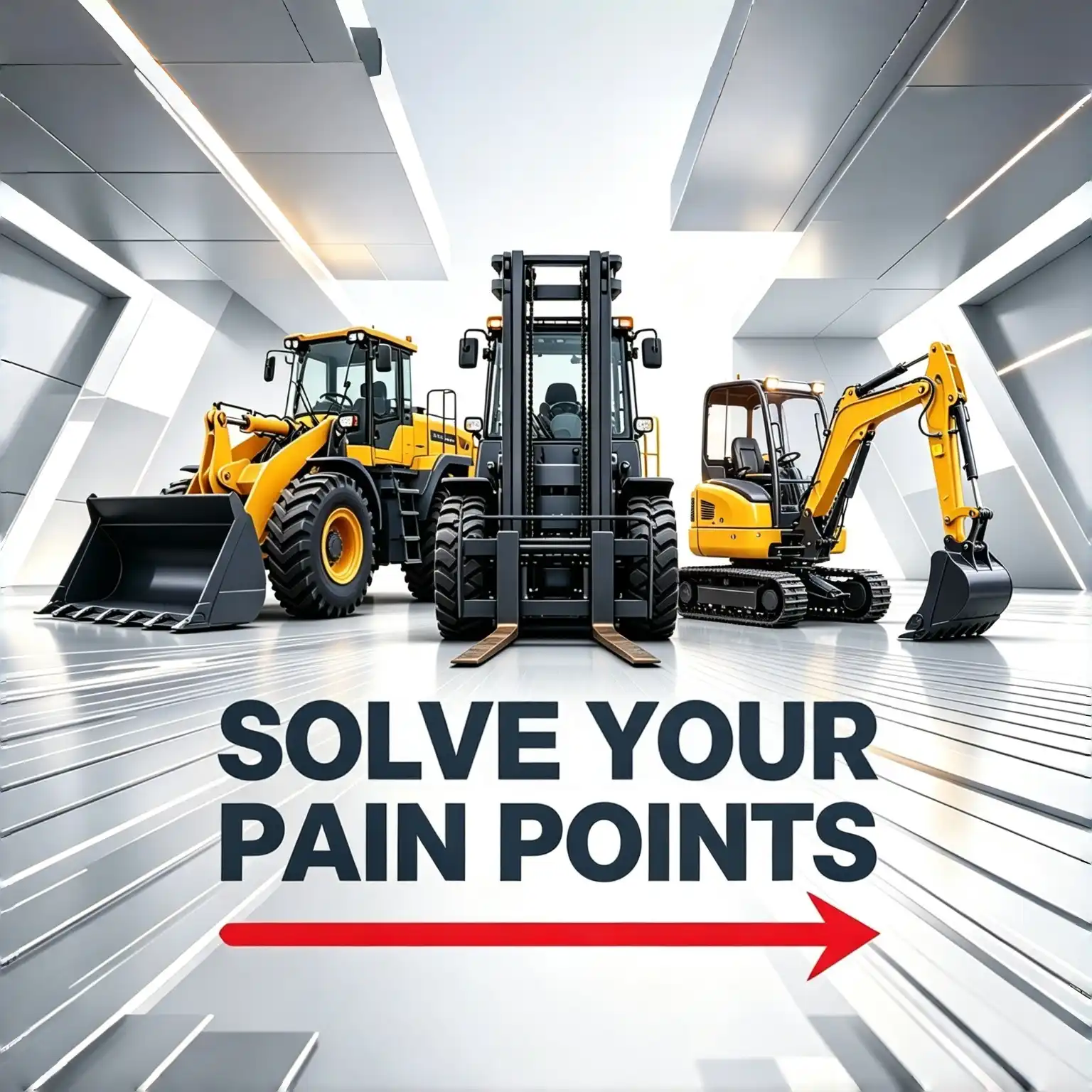
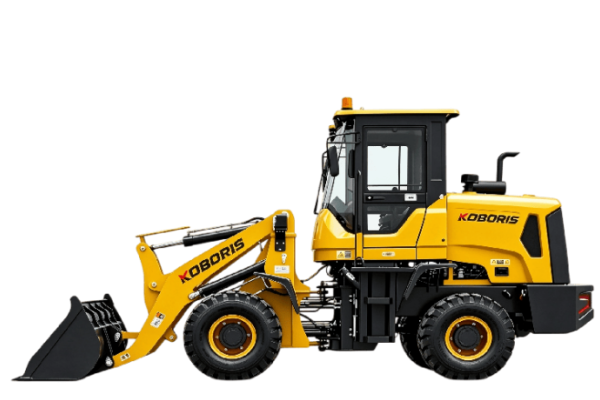
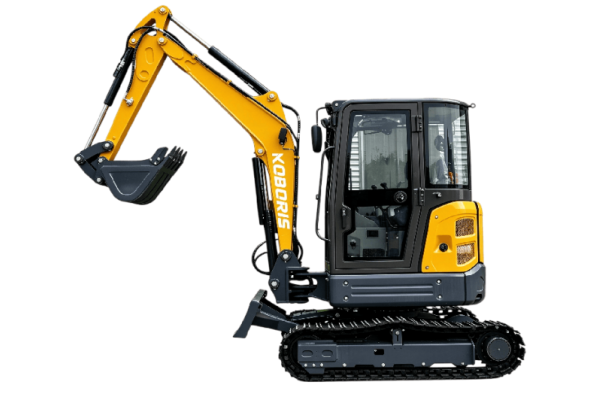
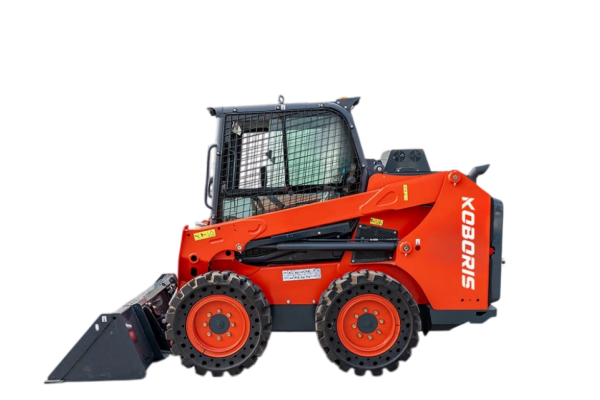
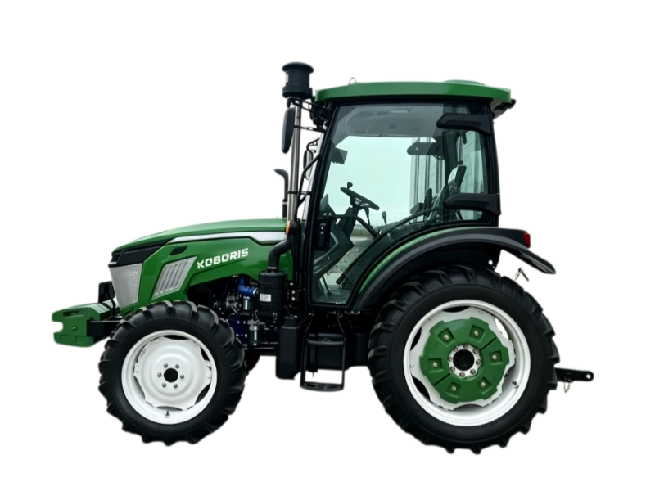
- KOBORIS Wheel Loader: 10-16 t - 200-280 HP
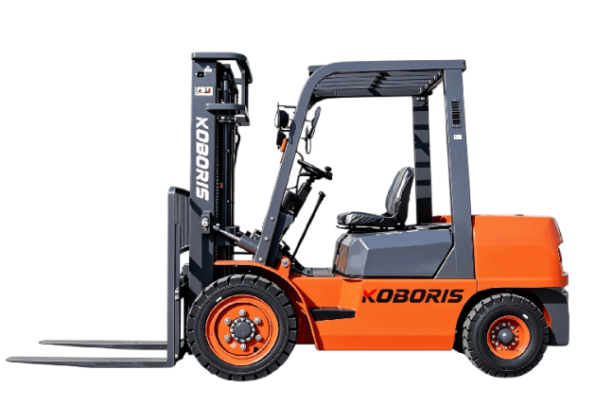
- KOBORIS Heavy Forklift: rated load 8-16 t - 130-160 HP
- KOBORIS Rough-Terrain Forklift: rated load 3.5-5.0 t - 70-90 HP
KOBORIS wheel loader and heavy forklift for port bulk terminal operations deliver reliable high-cycle performance for port and bulk terminals, where operational efficiency is measured by cycles per hour. Every vessel window, every stockpile and every truck turnaround runs against the clock, so the machines that feed the quay and stack the yard must sustain continuous, high-cycle duty in salt air, dust and variable ground. A slow loader or a forklift down for service costs the terminal far more than its purchase price.
Machine Specs for Bulk and Container Handling
KOBORIS provides the lifting muscle for that harsh coastal environment.
- KOBORIS Wheel Loader: 10-16 t, 200-280 HP, bucket capacity 2.5-4.0 m³ for stockpile building and bulk material feeding
- KOBORIS Heavy Forklift: rated load 8-16 t, 130-160 HP for container-side and yard stacking
- KOBORIS Rough-Terrain Forklift: rated load 3.5-5.0 t, 70-90 HP for uneven yards and dock edges
The rough-terrain forklift works where a standard indoor forklift would stall.
Reinforced Build for Non-Stop Port Duty Cycles
The key pain point for port operators is duty cycle. Port equipment runs almost continuously, and every lost hour is a costly disruption. KOBORIS machines are built with reinforced structures, durable powertrains and accessible service points, and each unit passes more than thirty quality tests before shipment.
Turnaround pressure is relentless. A vessel that finishes loading late pays demurrage, and a stockpile that cannot be shaped keeps trucks queued at the gate. KOBORIS loaders are tuned for fast cycle times with strong breakout force and responsive hydraulics, so a bucket is filled, lifted and dumped without hesitation, while the heavy forklifts place cargo precisely to maximize yard density.
Multi-Material Flexibility and Coastal Corrosion Resistance
Handling mixed materials is the second challenge. A single yard may move aggregates, grain, ores and palletized cargo in the same week. Quick attachment changes let KOBORIS wheel loaders switch between buckets and forks, while the forklift range covers both heavy indoor-style pallet work and open-yard rough-terrain handling.
Corrosion and dust shorten equipment life by the sea. Protected electrics, sealed pivot points and rust-resistant detailing help the machines withstand coastal conditions without constant intervention, and accessible service points keep routine maintenance short between cycles.
Operator Comfort, Safety and Global After-Sales Support
Operator comfort sustains throughput. High-cycle work demands clear visibility, responsive controls and a stable cab, because a tired operator slows the whole yard. KOBORIS units are designed for predictable, low-fatigue operation across long shifts.
Visibility and communication matter on a busy quay. Clear sightlines to the bucket and forks, along with simple controls, let an operator place material and cargo accurately among moving trucks, trailers and personnel, which keeps both cycle speed and site safety high. That precision is what turns raw lifting capacity into usable yard throughput.
Spare-parts availability and technical support come through a global network spanning more than twenty countries, keeping a terminal fleet running instead of waiting on components.
The result is continuous loading, stacking and turnaround performance with a controlled total cost of ownership. KOBORIS wheel loaders and heavy forklifts give port and stacking operators the dependable high-cycle equipment their schedules require.
FAQ
Q: What machines does KOBORIS supply for port terminals? A: 10–16t wheel loaders, 8–16t heavy forklifts and 3.5–5t rough-terrain forklifts built for high-cycle bulk and container yard work. Q: Are KOBORIS port machines suitable for coastal salt air? A: Yes, they adopt protected electrics, sealed pivot points and anti-rust design to resist coastal dust and salt corrosion.